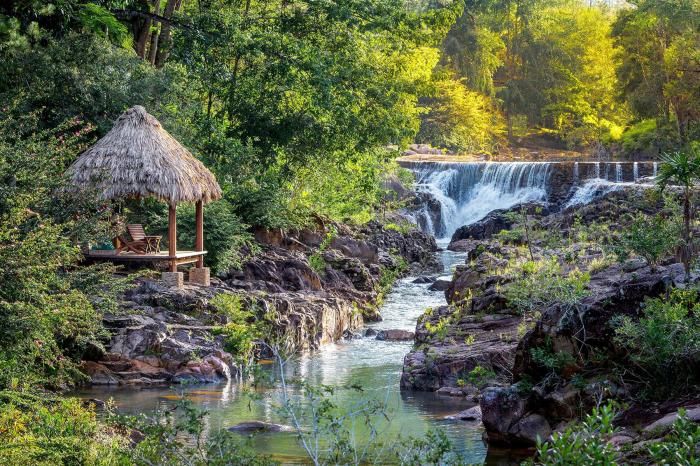
Off-the-beaten-path travel sets the stage for this enthralling narrative, offering readers a glimpse into a story that is rich in detail with casual formal language style and brimming with originality from the outset.
Exploring hidden gems, uncovering lesser-known wonders, and immersing in authentic experiences await those who dare to venture off the beaten path.
What is Off-the-beaten-path travel?

Off-the-beaten-path travel refers to exploring destinations that are lesser-known, less crowded, and not typically visited by tourists following traditional travel routes. It involves discovering hidden gems, immersing oneself in local cultures, and experiencing unique adventures off the typical tourist trail.
How it differs from traditional tourism
Off-the-beaten-path travel differs from traditional tourism in various ways:
- Traditional tourism often involves popular, well-known destinations, while off-the-beaten-path travel focuses on lesser-known, unexplored locations.
- Traditional tourism usually follows standard itineraries and tourist attractions, while off-the-beaten-path travel allows for more flexibility and spontaneity in exploration.
- Traditional tourism tends to be more commercialized and crowded, while off-the-beaten-path travel offers a more authentic and intimate travel experience.
Examples of destinations that fall under this category
- The Faroe Islands: A remote archipelago in the North Atlantic known for its stunning landscapes, unique wildlife, and traditional culture.
- Albania: A hidden gem in Europe with pristine beaches, ancient ruins, and a rich history waiting to be discovered by adventurous travelers.
- Namibia: A country in southern Africa known for its otherworldly landscapes, diverse wildlife, and opportunities for unique desert adventures.
Benefits of Off-the-beaten-path travel
Exploring lesser-known destinations can offer a range of benefits for travelers looking for unique experiences while contributing to sustainable tourism.
Advantages of exploring lesser-known destinations
- Escape from overcrowded tourist attractions
- Discover hidden gems and authentic local cultures
- Support local communities and small businesses
- Experience a sense of adventure and exploration
Unique experiences from Off-the-beaten-path travel
- Interacting with locals on a more personal level
- Exploring untouched natural landscapes
- Participating in offbeat activities and traditions
- Gaining a deeper understanding of a destination’s history and heritage
Contribution to sustainable tourism
- Reduces the environmental impact of mass tourism
- Preserves cultural heritage and traditions
- Spreads tourism income across a wider range of destinations
- Encourages responsible travel practices and conservation efforts
Planning an Off-the-beaten-path trip
When organizing an Off-the-beaten-path trip, proper planning is essential to ensure a smooth and enjoyable experience. Researching and preparing for unconventional destinations require attention to detail and careful consideration of various factors.
Steps to Research and Plan a Trip to an Unconventional Destination
- Start by selecting a unique destination that interests you and aligns with your travel preferences.
- Research the local culture, customs, and traditions of the chosen destination to understand and respect the local way of life.
- Check for any travel advisories or safety concerns in the area to ensure a secure journey.
- Look for off-the-beaten-path attractions, hidden gems, and lesser-known spots to explore during your trip.
- Create a flexible itinerary that allows for spontaneity and unexpected discoveries along the way.
Importance of Safety Measures When Traveling Off the Beaten Path
- Inform a trusted person about your travel plans, including your itinerary and contact information, for emergency purposes.
- Pack necessary safety gear such as a first aid kit, emergency supplies, and adequate clothing for changing weather conditions.
- Stay updated on local news and developments in the area you are visiting to avoid risky situations.
- Trust your instincts and avoid isolated or unsafe areas, especially when traveling alone in remote locations.
Share Tips on Finding Accommodation and Transportation in Remote Areas
- Research accommodations in advance and book lodging that is well-reviewed and recommended by fellow travelers.
- Consider alternative lodging options such as homestays, guesthouses, or eco-friendly resorts for a unique travel experience.
- Arrange transportation with local providers or rent a vehicle suited for the terrain of the off-the-beaten-path destination.
- Stay flexible with your travel plans to accommodate any unexpected changes in accommodation or transportation arrangements.
Adventure travel in Off-the-beaten-path locations
Adventure travel in off-the-beaten-path locations offers a unique and thrilling experience for those seeking something out of the ordinary. These remote destinations provide opportunities for exploration, discovery, and adrenaline-pumping activities that are off the radar of mainstream tourism.
Types of adventurous activities
Embarking on a journey to off-the-beaten-path locations opens up a whole new world of adventurous activities. From trekking through dense jungles and rugged mountains to kayaking in remote rivers and camping under the stars in the wilderness, the possibilities are endless. Travelers can also engage in activities like rock climbing, caving, wildlife safaris, and even cultural immersions with indigenous tribes.
- Rock climbing: Scaling cliffs and rock faces in untouched natural settings.
- Caving: Exploring underground caves and caverns in remote areas.
- Wildlife safaris: Spotting rare and endangered species in their natural habitats.
- Cultural immersions: Living with local tribes and communities to learn about their way of life.
- Kayaking: Paddling through pristine rivers and waterways surrounded by untouched landscapes.
Experiences of adventurous journeys
Venturing into off-the-beaten-path locations can lead to unforgettable experiences and stories that will last a lifetime. Imagine trekking through dense rainforests to discover hidden waterfalls, encountering majestic wildlife in their natural habitats, or camping in remote deserts under a blanket of stars. These journeys often test one’s limits, push boundaries, and create lasting memories that cannot be replicated in more popular tourist destinations.
Exploring off-the-beaten-path locations is not just about the destination, but the journey itself and the experiences gained along the way.
As we close this journey through the realm of off-the-beaten-path travel, one thing is clear – the allure of the unknown, the thrill of discovery, and the promise of unforgettable adventures beckon to all who seek a path less traveled.
Q&A
What are some safety tips for off-the-beaten-path travel?
Avoid traveling alone in remote areas, ensure you have proper gear and supplies, and always inform someone about your itinerary.
How can off-the-beaten-path travel contribute to sustainable tourism?
By supporting local communities, minimizing environmental impact, and promoting cultural preservation.
What types of adventurous activities can one experience in off-the-beaten-path locations?
From jungle trekking and cave exploration to wildlife encounters and cultural immersions, the possibilities are endless.